Posted bare-rooted on Mondays · Australia-wide except WA, TAS and NT · Get release alerts

Grow guide
Grow clivias with confidence
Clivias are tough, long-lived shade plants that reward a little know-how. Start here to meet the six species and find the guide you need.
Start here: light, water, potting mix and when they flower.
Month-by-month jobs for a frost-prone garden.
The usual reasons, with a quick flowering check.
Group 1 and 2 yellows, cross names and hand-pollinating.
Pots, mixes, dividing offsets and bare-root arrivals.
From ripe berry to first leaf, the Valewood way.
Mealybug, lily caterpillar, rots and leaf marks.
Quick answers to the questions we hear most.
Umbels, tepals, splits and selfs explained.
Try it
What should I do this month?
What to do this month
Pick a month. Tasks are for a cool-winter, frost-prone garden like ours near Toowoomba.
What is a clivia?
Clivias are evergreen, clump-forming perennials in the amaryllis family. In the wild they grow only in South Africa and Eswatini, mostly on shady forest floors, which is why they thrive under trees and shade cloth in Australian gardens.
Each plant makes a fan of strap-shaped leaves, then sends up a sturdy stem topped with a head of flowers. Pollinated flowers become berries holding large, pearly seeds. The genus was named in 1828 by botanist John Lindley in honour of Charlotte, Duchess of Northumberland, who was born Charlotte Clive. You may also hear clivias called bush lilies or Natal lilies.
The six species
| Species | Flowers | Flowering in Australia | Grower notes |
|---|---|---|---|
| Clivia miniata | Upright head of open, trumpet-shaped flowers | Late winter to spring, mainly August to October; odd flowers at other times | The easiest species and the parent of nearly all colour forms, including yellows, peaches and greens. Seedlings usually flower in 4 to 5 years. |
| Clivia nobilis | Pendulous, narrow tubular flowers with green tips, many to a head | Variable; mainly winter to spring (about June to November) | The first species described (1828). Very drought tolerant but slow: at least 6 years from seed, and berries take about a year to ripen. |
| Clivia gardenii | Pendulous, slender, curved tubular flowers, orange with green tips | Autumn to early winter, about April to July | Flowers before C. miniata, so it extends the season. Copes with dry spells and tolerates deeper shade than most clivias. |
| Clivia caulescens | Pendulous tubular flowers, orange to cream, with green tips that curve outwards | Spring, mainly October to November | Grows an above-ground stem with age, up to about 2 m. Likes cool, moist, well-drained conditions in light shade. |
| Clivia mirabilis | Pendulous tubular flowers, orange-red with paler tips, on long drooping stalks | Spring, about October to November | Described in 2002, about 800 km from any other clivia. Easily overwatered, especially in summer. Leaves have a pale central stripe. Listed as Vulnerable. |
| Clivia robusta | Pendulous tubular flowers, pale to dark orange with green tips | Autumn to winter, about April to July | Described in 2004. Tall, up to about 1.6 m. Comes from wet ground, likes regular water and is not frost tolerant. |
- New to clivias? Begin with a flowering-size C. miniata. It is forgiving and flowers years sooner than seed. Clivias 101 covers light, water and feeding.
- Plan the year with the care calendar.
- No flowers? Work through Why won’t my clivia flower?
- Ready for more? Try raising clivias from seed or learn colours and breeding basics.
- Stuck on a word? The glossary explains the jargon.
Clivia clubs are a great way to see plants in flower and meet other growers. The Toowoomba Clivia Society holds its annual show in spring, during the Carnival of Flowers.
All six species at Valewood
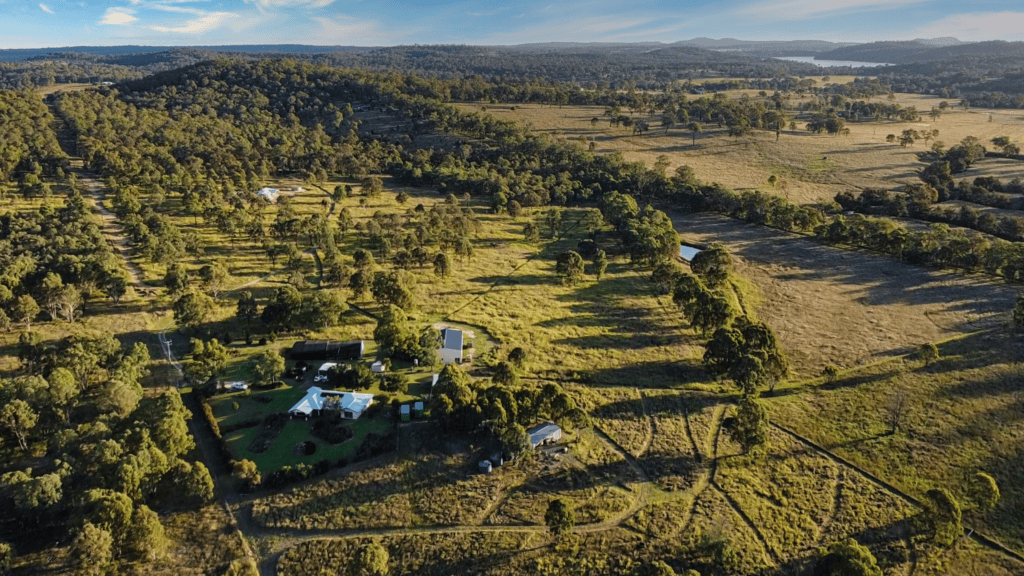
Our shade house north of Toowoomba holds all six clivia species alongside our selectively bred colours. Winters here can drop to minus 7.5°C, so we cover plants with frost cloth on the coldest nights.
Sources and further reading (16)
- Kew Plants of the World Online: Clivia
- Wikipedia: Clivia
- SANBI PlantZAfrica: Clivia miniata
- SANBI PlantZAfrica: Clivia nobilis
- SANBI PlantZAfrica: Clivia gardenii
- SANBI PlantZAfrica: Clivia caulescens
- SANBI PlantZAfrica: Clivia robusta
- Rourke (2002), Clivia mirabilis, a new species from Northern Cape, Bothalia
- SANBI PlantZAfrica: the miracle clivia, Clivia mirabilis
- SANBI Red List: Clivia mirabilis
- Wikipedia: Clivia robusta
- Melbourne Clivia Group: Clivia species (Di Mathews)
- Melbourne Clivia Group: An introduction to interspecific hybrids (Helen Marriott)
- Pacific Bulb Society wiki: Clivia
- Botany Brisbane: Clivia
- Toowoomba Clivia Society
From our shade house
The Valewood care guide
The short version of how we grow our own plants, and what to do when yours arrives bare-rooted.
Release alerts
Be first to know about the next release
Plants are released in small batches, mostly in flowering season, and the best go quickly. Join the release list and we’ll email you when new plants go live.
Get Valewood Clivias news and alerts when new plants are released, for the interests you choose. We’ll send you an email to confirm your sign-up first, and you can unsubscribe at any time. See our Privacy Policy. Prefer to choose what you hear about? Pick your interests.