Posted bare-rooted on Mondays · Australia-wide except WA, TAS and NT · Get release alerts

Key points
- Berries take about 9 to 12 months to ripen. Pick them when fully coloured and slightly soft.
- Clivia seed can't be dried or stored for long, so clean it and sow it fresh.
- Keep seed warm (about 21 to 25°C) and moist, never waterlogged. Roots usually appear in 3 to 8 weeks.
- At Valewood we leave seedlings in their community pots until they are 18 months old.
- Expect first flowers in about 4 to 5 years.
When are the berries ripe?
Clivia berries take about 9 to 12 months to ripen after pollination, so berries from a spring flowering are usually ready from late autumn into winter. A ripe berry has fully changed colour, usually to red, or to yellow on many yellow-flowered plants, and feels slightly soft when squeezed.
The Clivia Society suggests harvesting in May and June in the southern hemisphere, and the Melbourne Clivia Group notes you can leave berries on the plant until September. Inside each berry are one to a few large, round, pearly seeds.
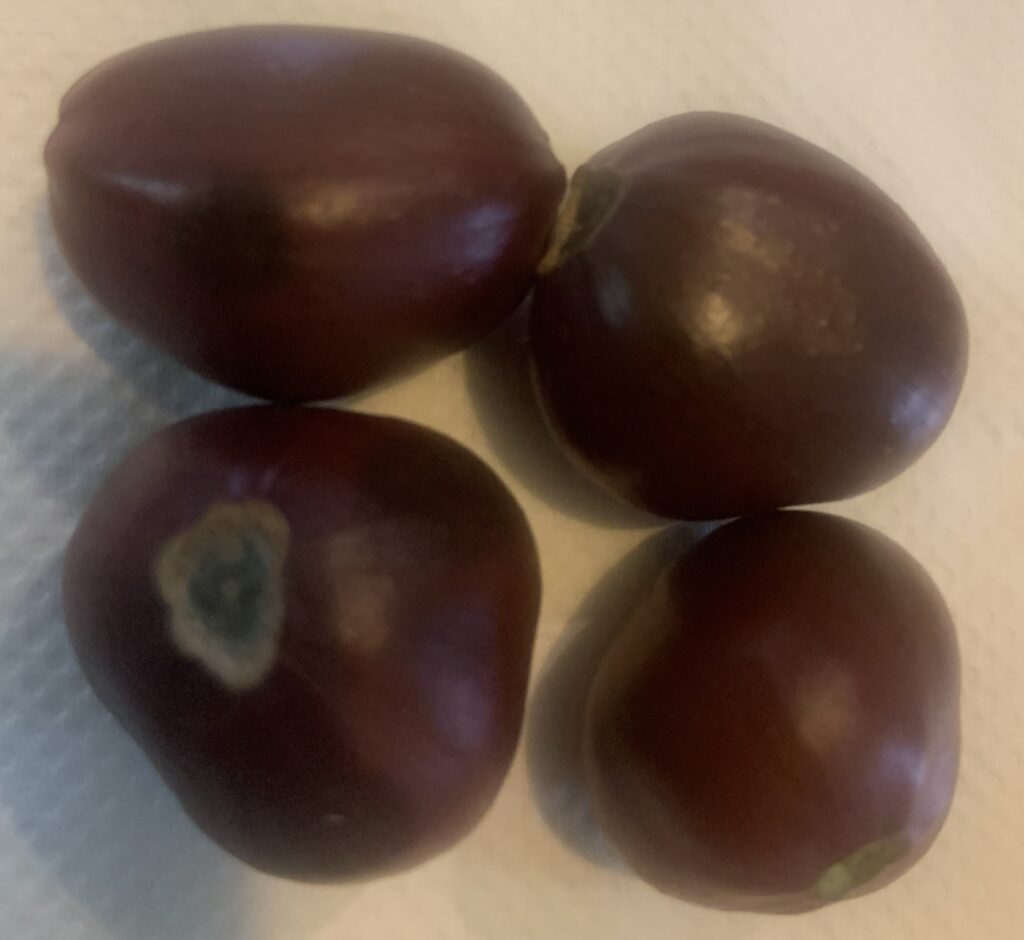
Clean the seed
- Peel off the berry skin and squeeze out the seeds.
- Rub away the sticky pulp, then peel off the thin, papery membrane around each seed, as it harbours fungus.
- Wash the seeds in water with a drop of detergent, rinse well and sow straight away.
Our 18-month rule
We never pot up clivia seedlings before they are 18 months old. Moving them earlier can lose 50% or more of the batch.
Sow it fresh
Clivia seed doesn’t go dormant, and it dies if it dries out. Sow within days of cleaning. If you have to hold seed for a short time, keep it in a sealed bag with a few drops of water in a cool, shaded spot, and never freeze it.
The Valewood method
- Mix: use a well-draining potting mix suitable for clivias, not soil.
- Pot: choose a small pot and sow 3 to 4 seeds in it. A little competition makes them vigorous.
- Sow: moisten the mix, then place the seeds on the surface and press gently without burying them. The dark side of the seed faces up, and the radicle (the future root) goes into a small hole.
- Cover lightly: sprinkle a thin layer of fine coco coir around the seeds so they don’t dry out but stay visible.
- No fertiliser: the seed is the food.
- Label: label the seeds and the pot.
- Position: keep the pot in a warm spot with indirect light, and keep the mix slightly moist, never waterlogged.
- Spray: we spray our seeds with water daily, and twice a week with a phosphorous acid fungicide such as Agri-Fos 600, used as the label directs.
- Guide the root: when the root pushes the seed out, gently lift it, open the hole a little and place it back.
Label everything
Write the cross (seed parent x pollen parent) and the sowing date on a label in every pot. Clivia seedlings all look alike for years.
Other methods that work
Sealed bag or container. Many growers start seed in a zip-lock bag or lidded container on damp sphagnum moss, vermiculite or paper towel, kept warm. Check every few days, let in some fresh air and remove any mouldy seed. Once the root is a centimetre or two long, plant the seed into mix with the root growing down and the seed sitting at the surface.
Tray in a bag. The Clivia Society sows seed onto moist mix in a tray, seals the whole tray inside a large plastic bag in a warm place and checks it monthly, removing the bag once the seedlings are established.
Growers disagree about which way up to sow. What matters is that the root ends up growing down into the mix, so guide it in if it wanders.
Warmth and germination time
Warmth and moisture are the two keys. Aim for about 21 to 25°C; a heat mat helps in cooler weather. The first root usually appears in 3 to 8 weeks, though some seed takes several months. The first leaf follows once the root is established. Without steady warmth, germination slows or stops.
Growing on and potting on
As the seedlings develop, give them ample light and gradually more sun. Never let a seedling dry out. Clivia leaves still scorch in hot afternoon sun, so increase the light slowly and keep young plants shaded through summer.
At Valewood we transplant seedlings into individual pots at 18 months old and never before, because moving them earlier can lose 50% or more of the batch. Planting out one-year-old seedlings can also cause high losses. For comparison, the Clivia Society moves seedlings into 15 cm pots at 12 to 18 months, then into 20 cm pots once they have 7 to 8 leaves.
Read the seedling bases
With yellow parents, check the base of the first or second leaf. Plain green means yellow flowers ahead; reddish maroon usually means orange, though Group 3 yellows and some blush lines are pigmented at germination.
Don't dry or freeze seed
Clivia seed dies if it dries out or freezes. Clean it and sow it fresh.
From seed to flower: a realistic timeline
| Stage | Typical timing |
|---|---|
| Pollination to ripe berry | 9 to 12 months |
| Sowing to first root | 3 to 8 weeks, sometimes longer |
| In the community pot | Until 18 months old (Valewood) |
| Sowing to first flower, C. miniata | Usually 4 to 5 years |
| Sowing to first flower, C. nobilis | 6 to 8 years or more |
A few vigorous seedlings flower at three years, and some take well over six. Read more about colours you might get in Clivia colours and breeding basics.
Seed to flower timeline
Drag the slider to see what to expect, month by month after sowing.
Common failures and how to avoid them
- Seed rots or goes mouldy: remove all pulp and membrane, keep the mix moist but not wet, use a fungicide, and take out affected seeds quickly.
- Seed dried out: clivia seed won’t recover, so sow fresh and check moisture daily.
- Nothing happens: it is usually too cold. Move the seed somewhere warmer or onto a heat mat.
- Root growing into the air: lift the seed and guide the root into a small hole.
- Seedlings collapse after potting on: they were moved too young. Wait until 18 months.
- Seedlings stall or brown off: they have dried out or caught hot sun. Keep the mix evenly moist and the seedlings shaded.
- Pests: watch for fungus gnats in damp mix, and for snails, slugs and mealybug on young leaves. See pests and problems.
Common questions
Can I keep clivia seed until spring?
Not safely. Clivia seed doesn’t go dormant, so sow it within days of harvesting. If you must wait a little, keep it in a sealed bag with a few drops of water in a cool, shaded spot, and never freeze it.
Will my seedlings look like the parent plant?
Not exactly. Each seedling is a new combination of its parents, so colour and form vary. Only an offset is an exact copy.
Why hasn't my seed sprouted after a month?
It is usually too cool. Move it somewhere warmer, about 21 to 25°C, and keep it moist. Some seed takes a few months, so don’t throw out firm, healthy seed too soon.
Sources and further reading (19)
- SANBI PlantZAfrica: Clivia miniata var. citrina (G. Duncan, 2017)
- SANBI PlantZAfrica: Clivia miniata
- SANBI PlantZAfrica: Clivia nobilis
- Melbourne Clivia Group: Propagating clivia seeds in Australia
- Longwood Gardens: Growing clivia from seed
- Shields Gardens: Starting clivia seeds
- RHS: How to grow clivias
- Pacific Bulb Society list: Clivia miniata germination (2004)
- University of Wisconsin Master Gardener: Clivia (PDF)
- University of Wisconsin Extension: Clivia
- ABC Gardening Australia: King of clivias
- ABC Gardening Australia: Queen of the shadows
- HortScience 50(7): Longwood clivia cultivars (breeding and seed notes)
- Botany Brisbane: Clivia
- Utopia Clivias: From seed to bloom
- Pacific Bulb Society list: yellow groups and seedling bases (2021)
- Rourke (2002), Clivia mirabilis, a new species from Northern Cape, Bothalia
- Dr Keith Hammett: About clivias
- Wikipedia: Clivia
Grow guide
Keep learning
Start here: light, water, potting mix and when they flower.
Month-by-month jobs for a frost-prone garden.
The usual reasons, with a quick flowering check.
Group 1 and 2 yellows, cross names and hand-pollinating.
Pots, mixes, dividing offsets and bare-root arrivals.
Mealybug, lily caterpillar, rots and leaf marks.
Quick answers to the questions we hear most.
Umbels, tepals, splits and selfs explained.
Release alerts
Be first to know about the next release
Plants are released in small batches, mostly in flowering season, and the best go quickly. Join the release list and we’ll email you when new plants go live.
Get Valewood Clivias news and alerts when new plants are released, for the interests you choose. We’ll send you an email to confirm your sign-up first, and you can unsubscribe at any time. See our Privacy Policy. Prefer to choose what you hear about? Pick your interests.